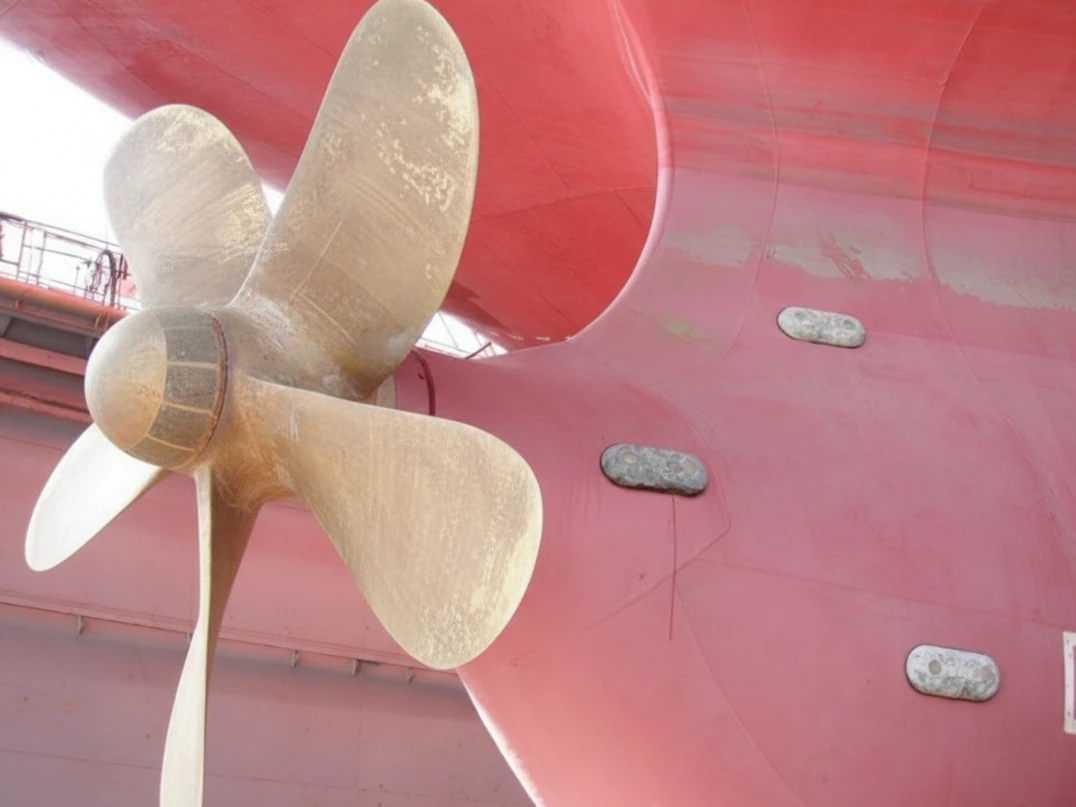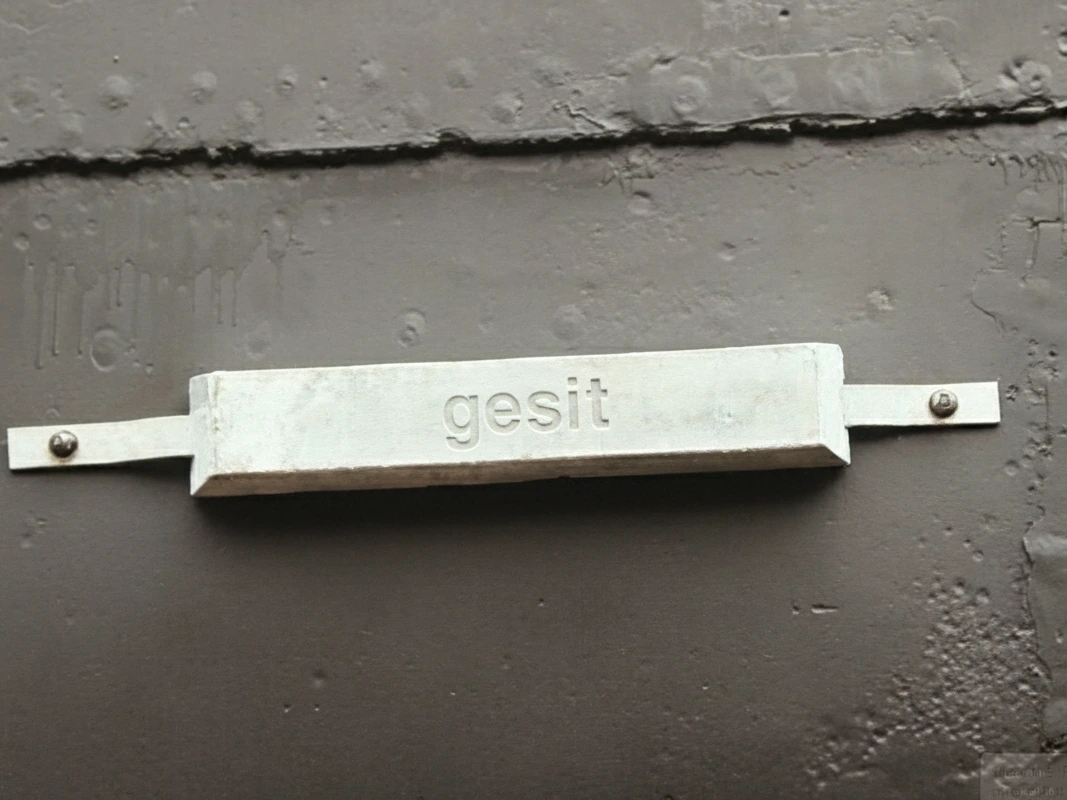


Manufactured using high purity Zinc  and compliant with DNV, ISO, BKI, ASTM B418 Type I & II standards or customable as per project specification.
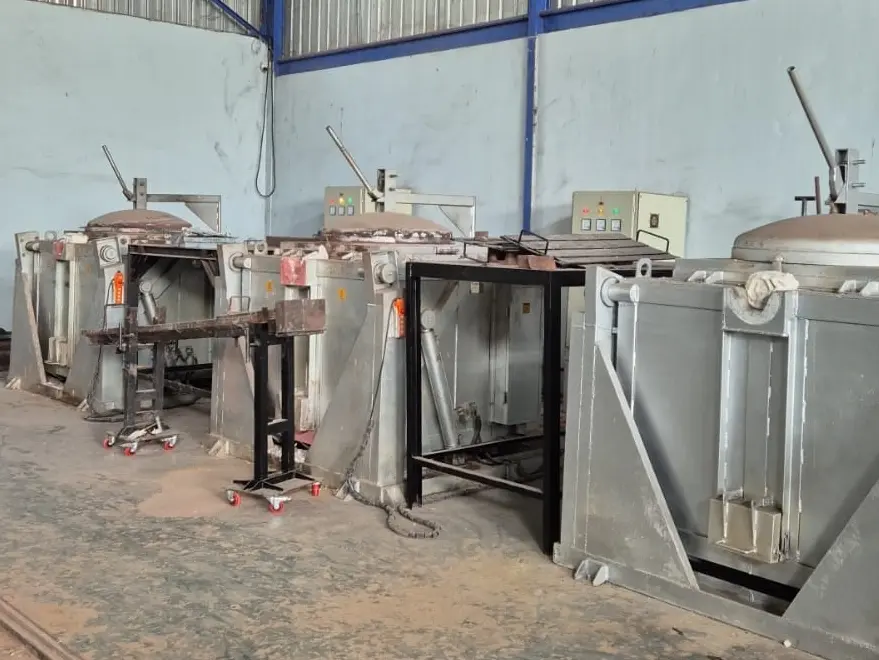
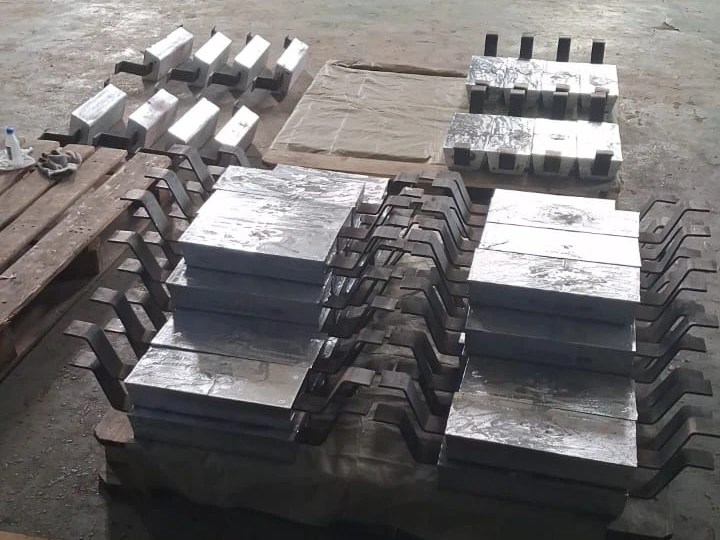
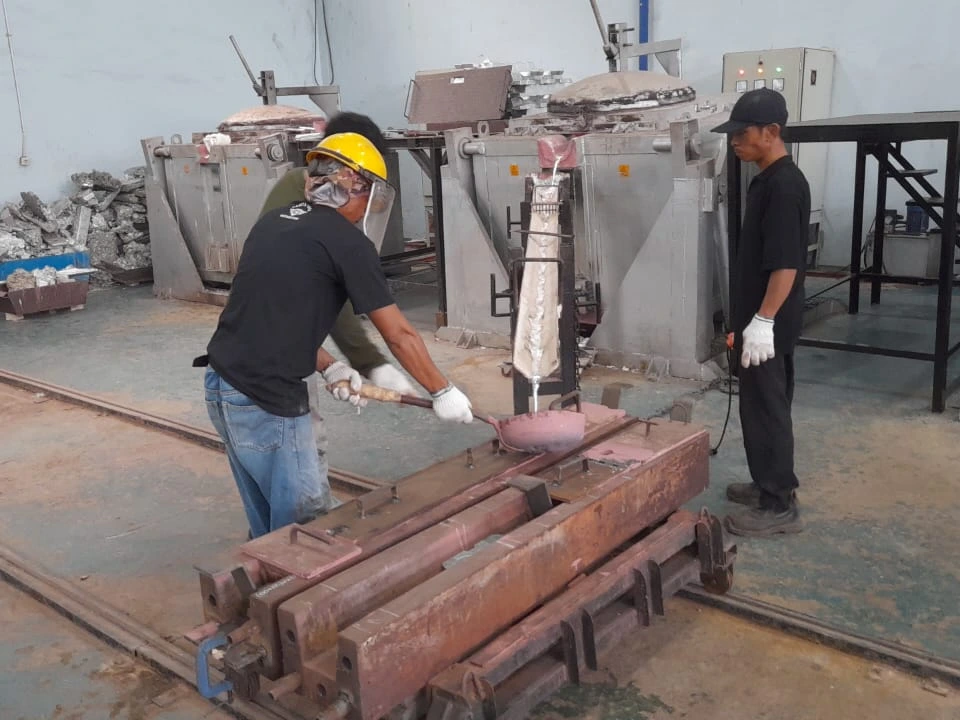
Zinc Anodes Casting
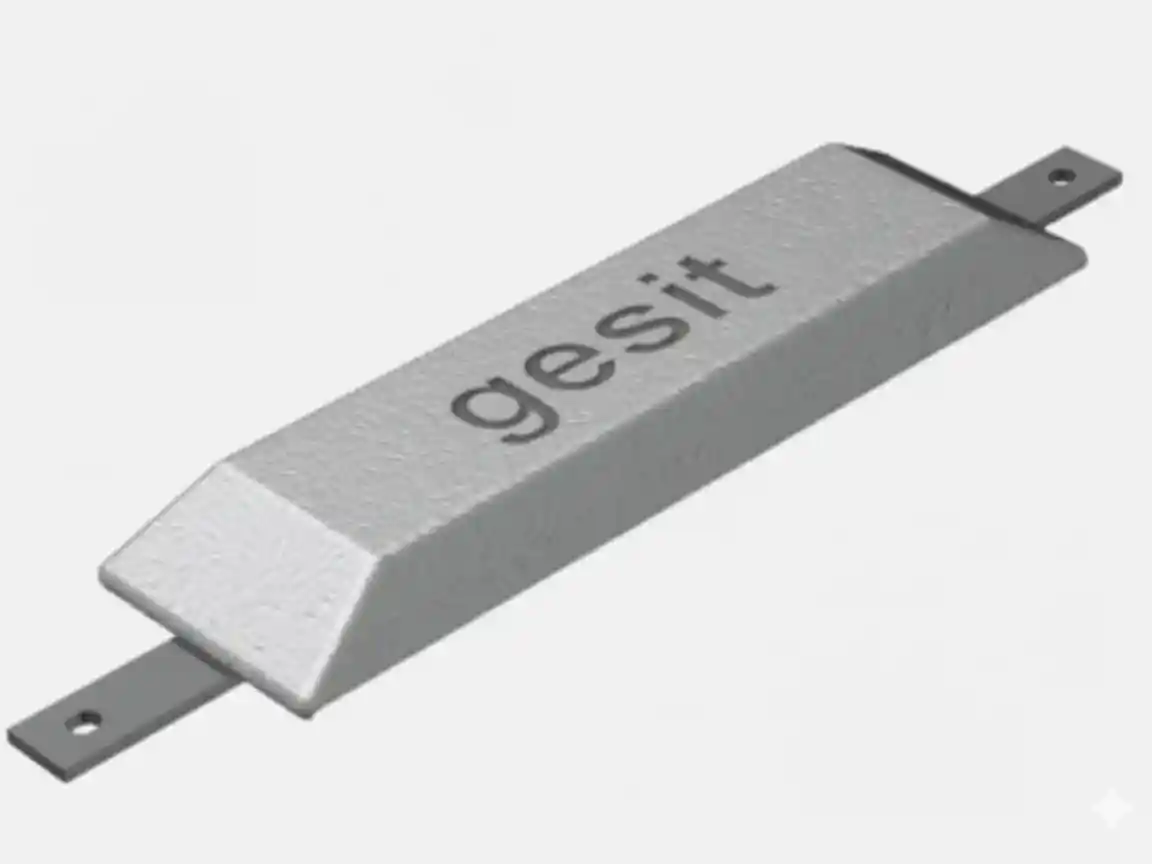
Zinc Slender Anodes Production
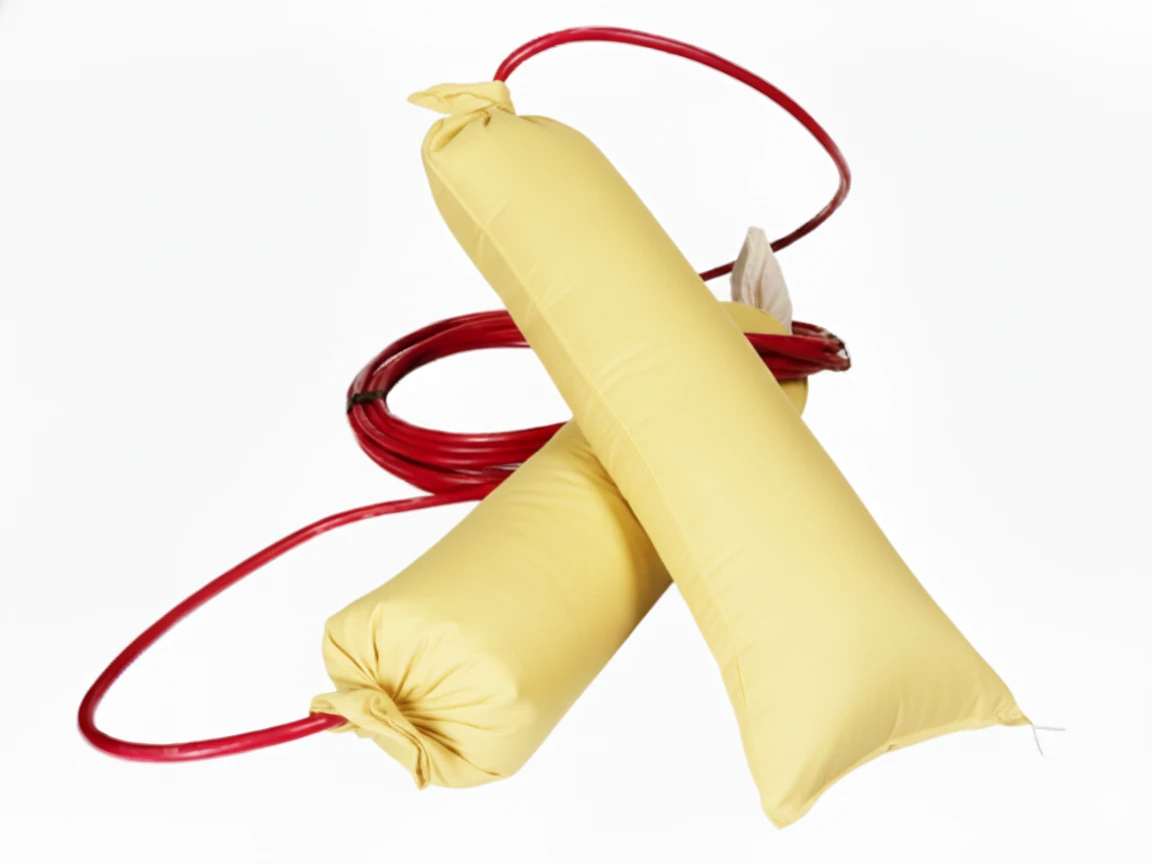
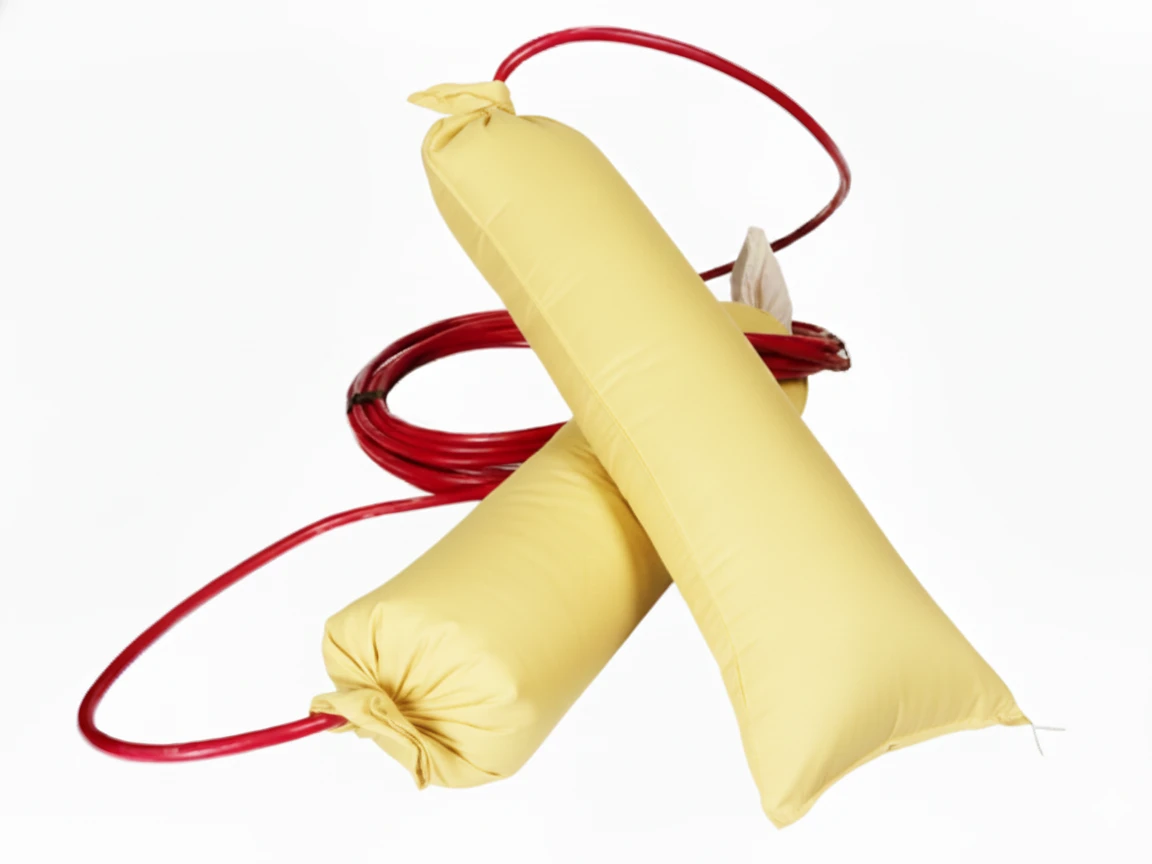
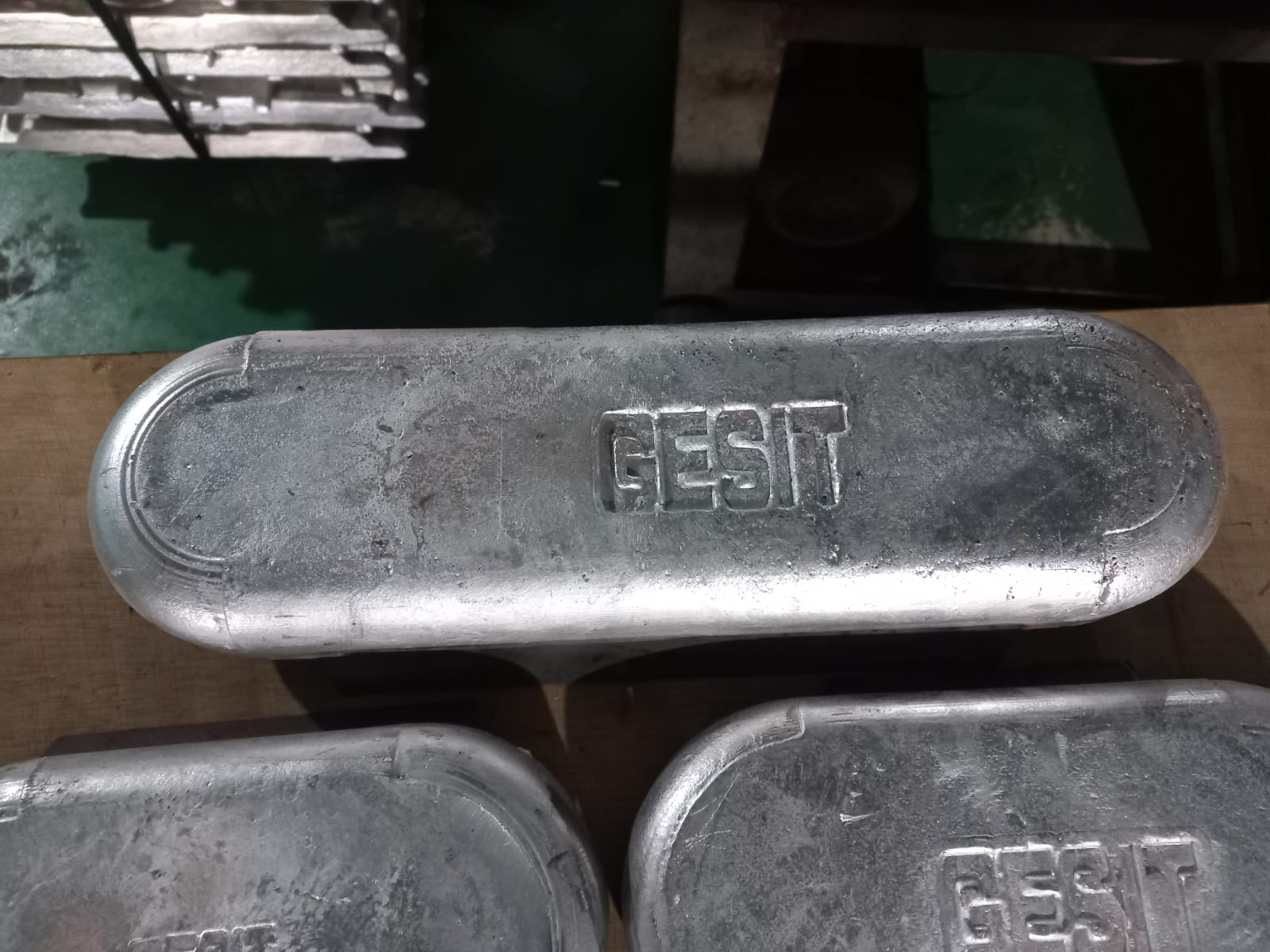
zinc packaged anodes
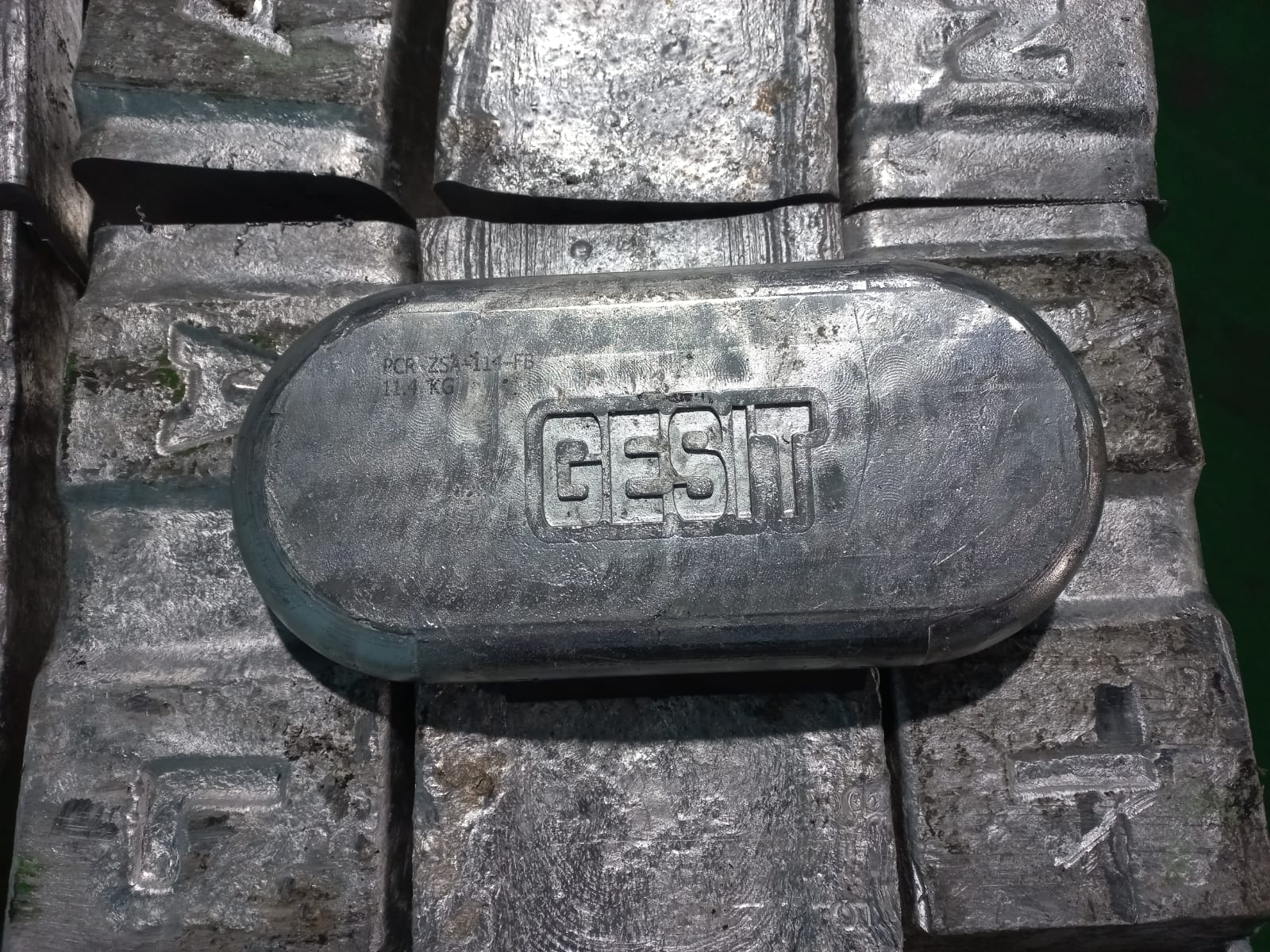
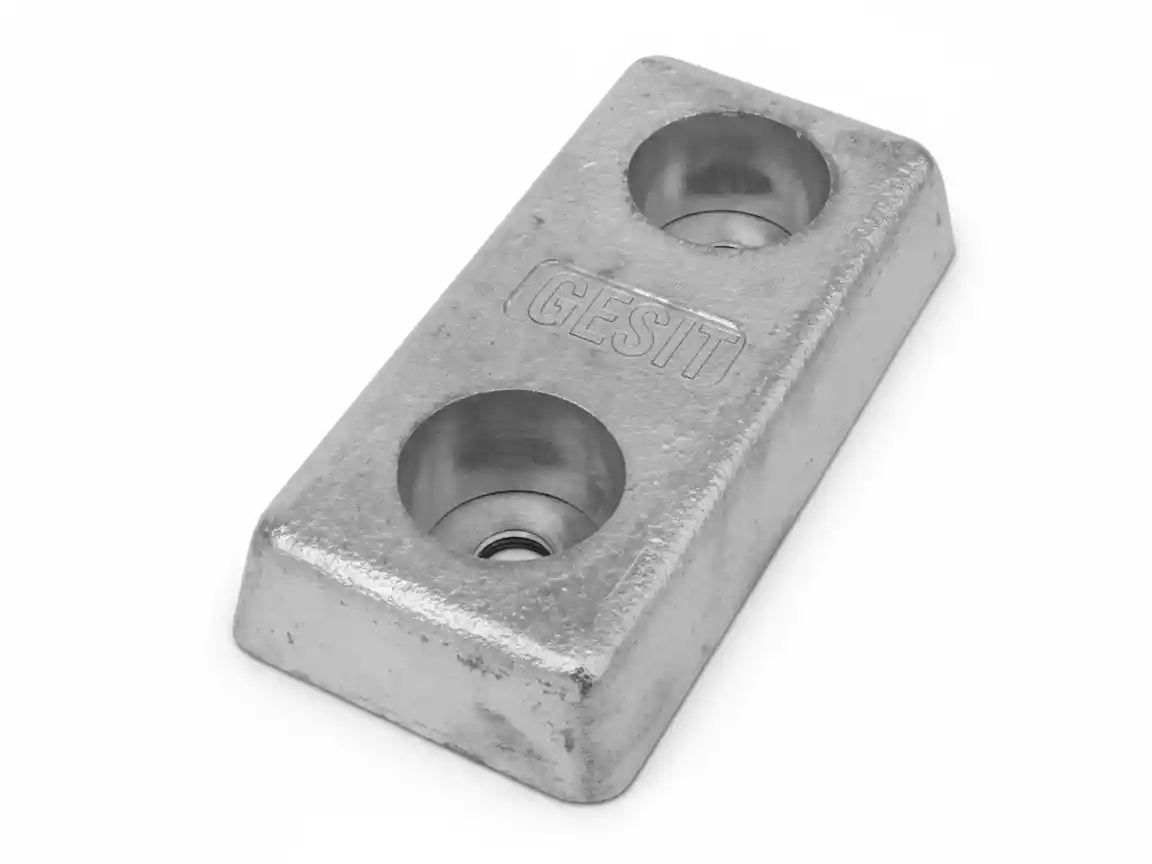
Zinc Ship Anodes

Zinc Anodes Overview

GESIT Zinc Anodes deliver consistent, reliable cathodic protection (CP) performance in marine and select onshore applications. Produced using premium-grade Zinc alloys, strict composition control, and advanced manufacturing processes, our anodes ensure predictable electrochemical characteristics and long service life. Zinc Anodes are trusted by shipbuilders, shipowners, offshore contractors, and industrial operators where regulatory, safety, and technical requirements specifically call for Zinc over other anode types.

While GESIT can supply Zinc Anodes in almost any form—bracelet, long slender, flush mounted, ship anode, and even pre-packaged zinc for soil applications—practical and economic considerations typically make Zinc Anodes the choice for specific environments only. Zinc’s higher material cost and density means it is generally less economic than aluminium in seawater and brackish water applications. The application of pre-packaged zinc anodes is limited to select cases in onshore (soil) environments characterized by low resistivity.

Therefore, Zinc Anodes are predominantly selected when Aluminium Anodes are restricted or not recommended—such as on structures where there is a risk of spark/thermite reaction and compliance with safety and class society regulations is required.

In such cases, Zinc Anodes are commonly supplied in flush-mounted and ship anode forms.

Zinc Anodes General Characteristic

In seawater and brackish environments, the commonly used sacrificial anodes are Aluminium Anodes and Zinc Anodes. The key characteristics of Zinc Anodes are:
  • Predictable electrochemical properties for stable cathodic protection.
  • Typical electrochemical capacity: ≈780 Ah/kg (BS EN 12496, ASTM B418 Type I/II).
  • Optimized for marine environments—seawater, brackish water, marine sediments.
  • High reliability and low risk of passivation in normal marine chloride environments when alloy impurities are controlled per standard limits.
  • Reliable up to 50°C; ask for advice on elevated temperature applications.
  • Higher material density compared to aluminium; may require more installed weight.
  • Compatible with both exposed and internal ship/hull areas as well as locations with spark safety concerns.
  • Not suitable for fresh water/soil environments or situations requiring high driving voltage

Applications of Zinc Anodes

  • Compatible for seawater, sea mud, brackish, soil (low resistivity) environment.
  • Ship hulls, rudders, appendages, and propeller areas.
  • Water ballast tanks (WBT), cargo tanks where aluminium use is restricted.
  • Internal seawater storage tanks where aluminium use is restricted.
  • In select cases, pre-packaged zinc anodes for onshore (soil environment with low resistivity).
  • Reinforced and pre-stressed concrete structures.
zinc anodes for soil
zinc hull anodes bolted type
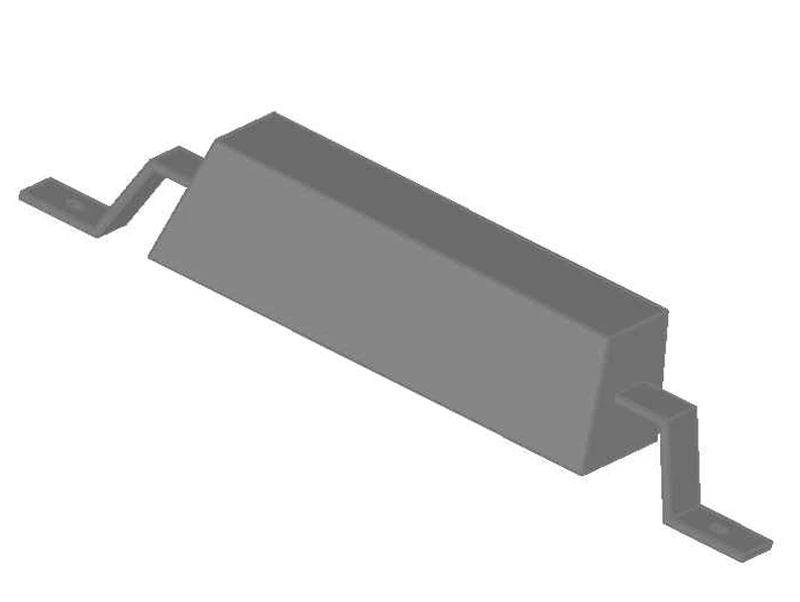
zinc hull anodes flat bar flush mounted GESIT
Zinc Ship Anodes

GESIT Zinc Anodes

Quality & Manufacturing Advantages

  • Premium-quality, high-purity zinc with low impurity content.
  • Alloy chemistry strictly controlled and mercury/cadmium free.
  • Diverse core/insert configurations and mounting methods as specified by project/asset needs.
  • Backed by experienced, certified CP engineers and high local content (TKDN) for Indonesia-based projects.
Aluminium Anodes Production

Chemical Composition of Zinc Anodes Options

GESIT can supply Aluminium Anodes with the following alloy and performance options:
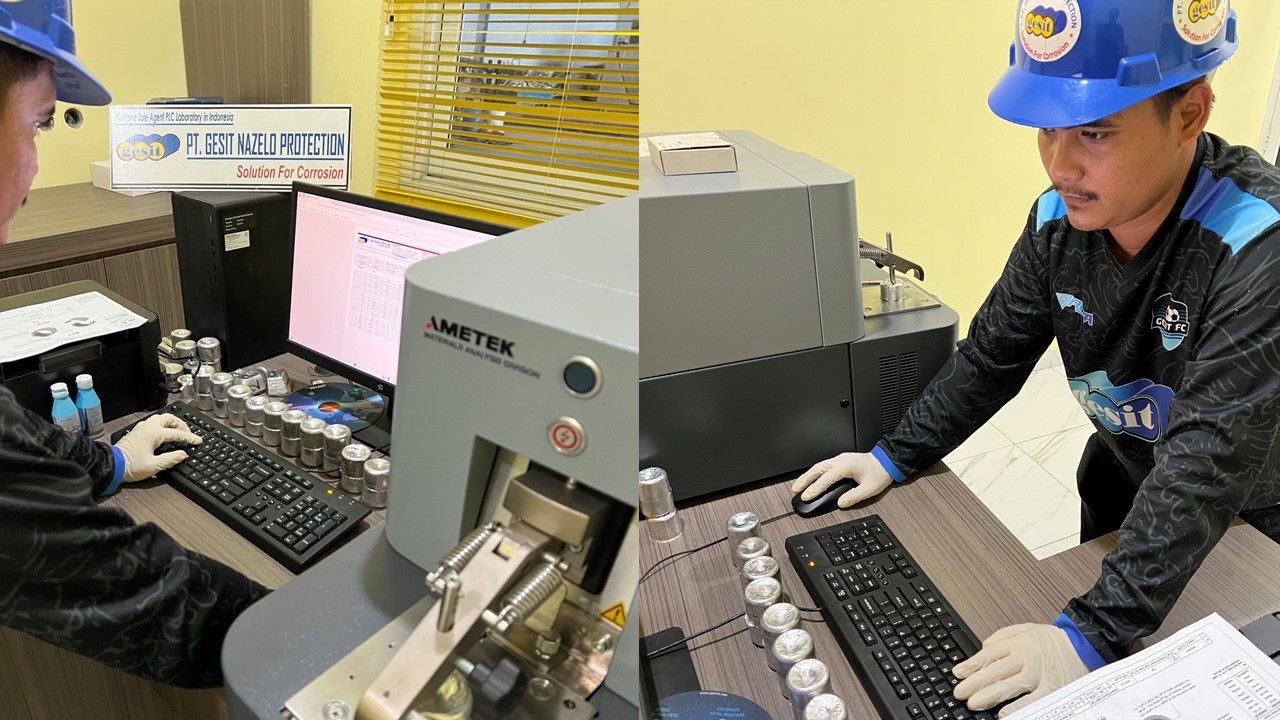
  • ASTM B418 Type I & II, BS EN 12496 (Alloy Z1, Z2, Z3), and custom blends.
  • Other international standards (DNV, ISO, BKI, NACE/AMPP) upon request.
zinc chemical composition test using spectrometer

Engineering & Technical Support

GESIT provides comprehensive engineering and technical assistance:

  • Cathodic Protection system engineering design & calculation (offshore, subsea, marine).
  • Alloy selection & performance verification.
  • Custom dimensions, mounting systems & installation method guidance.
  • Project-specific documentation, drawings, and QA/QC reports.

Shape Options

  • Bracelet type (for pipelines/piles, on request)
  • Long slender type (for offshore/inshore, internal vessel)
  • Flush mounted (for hulls/flat surfaces, most common marine use)
  • Ship anode (rectangular, elliptical, or custom forms for marine vessels)
  • Pre-packaged zinc for onshore (rarely specified)

Zinc Ship Anodes

GESIT Zinc Ship Anodes are designed for reliable sacrificial cathodic protection of marine vessels—both external (hull, rudder, propeller area) and internal (water ballast tanks, seawater tanks).

Manufactured from high-purity zinc alloys in accordance with ASTM B418 (Type I & Type II) and BS EN 12496, and compatible with DNV, ISO, NACE/AMPP, and BKI requirements, they provide stable and predictable protection in seawater and brackish environments.

Zinc ship anodes are widely used on commercial ships, offshore support vessels, workboats, and naval ships due to their well-understood electrochemical behavior and robust performance in marine service.

Typical applications include welded or bolted anodes on the hull, rudder, bilge keels, sea chests, thruster tunnels, and internal seawater/ballast tanks where class rules or safety considerations favor zinc over aluminium.

With appropriate alloy selection and placement, zinc anodes provide continuous protection over the vessel’s docking interval and can be easily inspected and replaced during drydocking.

Zinc Ship Anodes Core and Mounting Configuration

GESIT offers multiple core and mounting configurations to suit yard practice and class requirements:
  • Bolted type ship anodes with steel core/plates and through-bolts for easy replacement on hull or rudder.​
  • Flat-bar core configuration for direct welding to hull, rudder or tank surface, allowing robust mechanical attachment.​
  • Pad-eye or bracketed variants for specific locations such as bilge keels or complex appendages.​

Shapes can include:
  • Trapezoidal blocks for hull and tank surfaces.
  • Flat elongated-elliptical forms for streamlined installation on hull or appendages.​
  • Rectangular and custom profiles tailored to ship designer or yard standards

Applications

External: ship hull, rudder, skeg, bilge keel, stern tube area, propeller brackets, thruster tunnels, bow/stern thrusters.​

Internal: water ballast tanks, seawater service tanks, sea chests, pump rooms and other compartments with submerged steel surfaces and seawater exposure.​

Offshore and support units: barges, workboats, tugs, and floating structures where marine immersion is continuous.
Installation Method

Zinc ship anodes are installed either by bolting them to pre-welded pads/brackets on the hull, rudder, or internal structures, or by welding their flat-bar cores directly to cleaned bare-steel surfaces.
zinc hull anodes bolted type
zinc hull anodes flat bar flush mounted GESIT
Technical Data Sheet Zinc Flush mounted Anodes
zinc ship anodes shape eliptical
zinc ship anodes hull installation
Zinc Ship Anode
Zinc Anodes for Water Ballast Tank